
Carlos Mauricio
He survived the torture rooms of El Salvador’s National Police, rebuilt his life as a biology teacher in San Francisco, and in 2002 faced two Salvadoran generals in a Florida courtroom. This is his story.
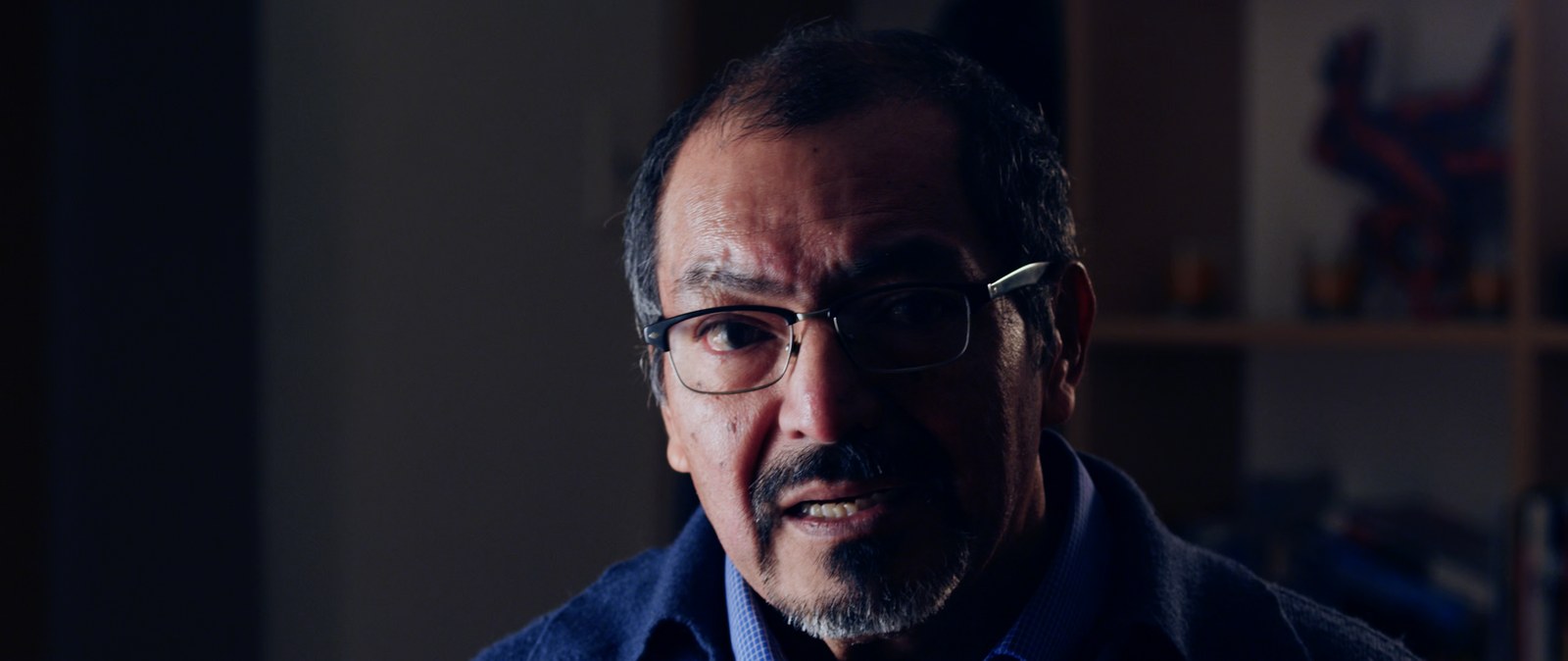
San Salvador, June 1983
Carlos Mauricio comes from Ahuachapán, a town in the west of El Salvador. In 1983 he was an agronomist just back from about three years in Mexico, where he had earned a master’s degree at the university in Mérida, and he was teaching agricultural science at the University of El Salvador. One day that June he was in the middle of a class when men in plain clothes walked in and asked him to step outside and move his car. Outside, he tried to get back to the agronomy faculty, where he thought he was safe. Other men, armed with M16 rifles, blocked his path, and he understood that “a special military unit” had come for him. “We called them ‘death squads.’” They forced him into an unmarked vehicle and beat him. “It was very, very violent,” he said years later, “and they came to my classroom.”
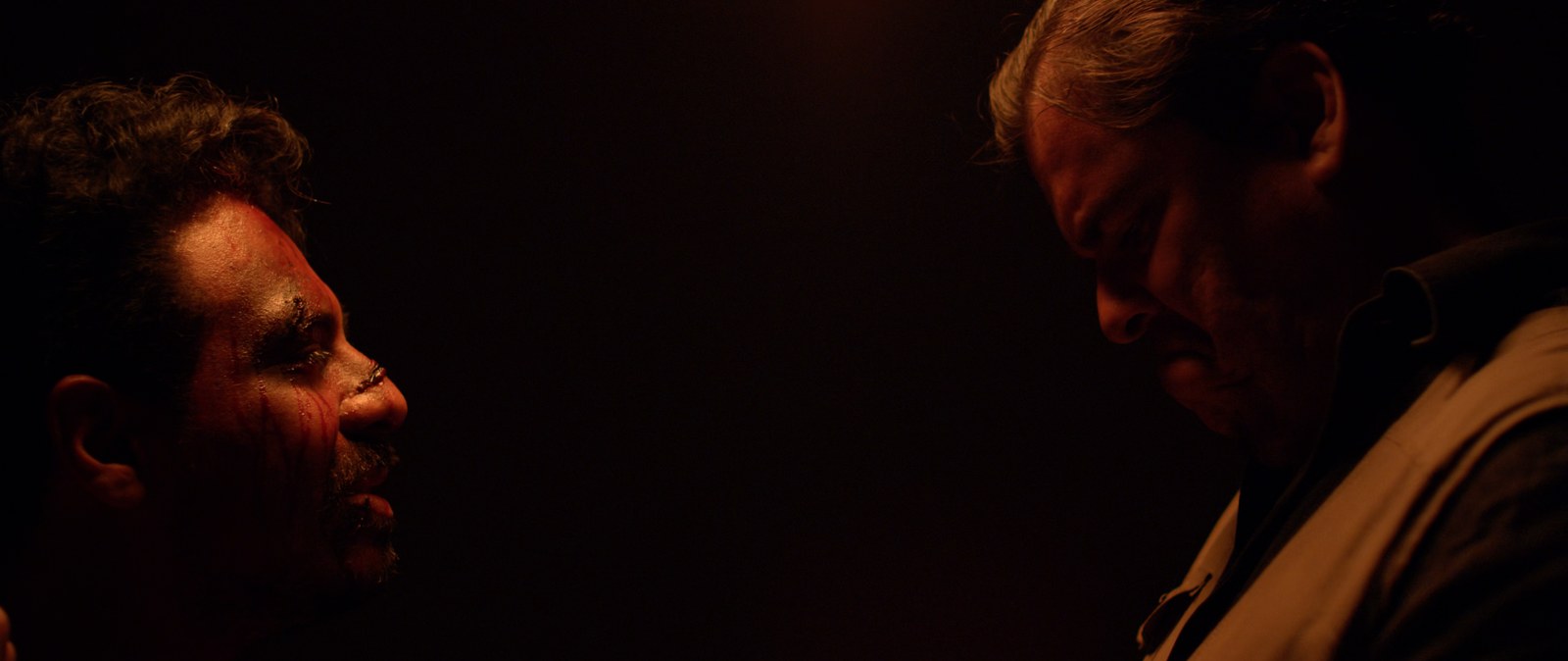
They took him to the headquarters of the National Police and kept him there for nearly two weeks. He has called what was done to him “torture by the book.” In a clandestine chamber below ground he was bound by the hands and hung from the ceiling, and beaten until two ribs broke and one eye was damaged. When the Red Cross came to the building looking for him, it was told he was not there.
Then the police let him go. Many who were taken that way were never seen again: more than a quarter of the complaints later brought to the United Nations truth commission concerned people who had been disappeared.
“I’m already dead. I’m not going to say anything, because dead men can’t talk.”
Carlos Mauricio, to his interrogators
“A very lucky man”
Mauricio had come home to a country where his friends, his classmates and his students were being murdered. The army, he says, had “people identified on lists to be eliminated.”
They handcuffed him, blindfolded him and drove off in a van. He was certain he would be dead by the next day; that was what happened to people the army took. Through the gap between the blindfold and his cheekbones he watched the buildings pass and waited for the edge of the city. “The moment I could see trees, that’s the moment they would kill me.” For a moment he thought of opening the door and getting out; his hands were cuffed in front of him. But another man in the van was watching. Time went by, and the trees never came. He was being driven to a clandestine prison.
The questions began with things they already knew. “We’ve been following you for a month,” the interrogator told him. “Great!” Mauricio answered. “Because if you’ve followed me for a month, you know that I’m not involved with the guerrillas.” The man did not know what to do with that.
They wanted the names of his comrades. He was not a guerrilla. But he knew many people who were, classmates and colleagues, and he understood that whether to give them up was his decision alone. They promised that if he cooperated they would take him back to Mexico. He told them something that threw them: “You will kill me. I’m already dead. I’m not going to say anything, because dead men can’t talk.” Torturers know how to cause pain, he says; they have been trained for it. “But in some ways, the torturers are stupid, because there are things they don’t understand.” They did not know what to do with a man who had accepted his own death.
The worst came in the last four days. “They hung me, I was left hanging for hours. They electrocuted me. They beat me up.” He was never allowed to sit. He was given no water and nothing to eat, and when he leaned against the wall someone came and hit him with something of rubber wrapped in metal. By then they wanted a confession: that he had been to Cuba. “I’ve never been to Cuba. Not before, not then, not ever.” With a rib and a tooth broken, he finally said yes. “Why didn’t you tell us right from the start?” his interrogator said, and asked at once who had gone with him, who had given him the passport and the money, which camp had trained him. He had no answers. “I said it so you wouldn’t hit me anymore.”
One of them opened a door and pushed him, blindfolded, into a hallway where he could see only the floor. The smell reached him first, a smell he had never met anywhere: the place was “reeking of death.” He stepped on a hand, “and the hand didn’t move.” He stepped on a body, and that one did. Then came the sounds: people being beaten, people given electric shocks, women being raped. “The torture began when I heard the screams of those who were being tortured.” Twenty-two years later he told an audience in San Antonio, “What has been very difficult to deal with is the memories of other people being tortured.”
“I’m a very lucky man,” he says. His captors, he explains, had chosen him for a purpose: a university teacher, a man “with credibility,” who would appear in the newspapers saying he had been to Cuba, as proof that the Cuban government stood behind the guerrillas. They released him for a purpose too. American military aid to El Salvador depended on a certification, owed to Congress every six months, that its government was making progress on human rights, and the next one was due that July. “In order to demonstrate to the U.S. Senate, or the U.S. Congress, that they respected human rights, they let me go.” The film cuts from those words to Ronald Reagan at the White House on June 17, 1983, praising El Salvador’s provisional president, Álvaro Magaña: “He reaffirmed his government’s commitment to human rights.”

The chain of command
El Salvador’s civil war lasted until 1992 and killed some 75,000 people. In March 1993 the United Nations truth commission published its report, From Madness to Hope. It had recorded more than 22,000 complaints of serious violence, more than a fifth of them involving torture. Nearly 85 percent named agents of the state, the paramilitaries allied with them, or the death squads.
The University of El Salvador was a target from the start. In June 1980 the army took the campus with tanks and six hundred troops, killed sixteen students, and kept it shut until September 1984. The rector, Félix Ulloa, was assassinated that October. Some thirty of its teachers had been murdered or disappeared by the time the campus reopened. In 1983 Mauricio was teaching for an institution in exile.
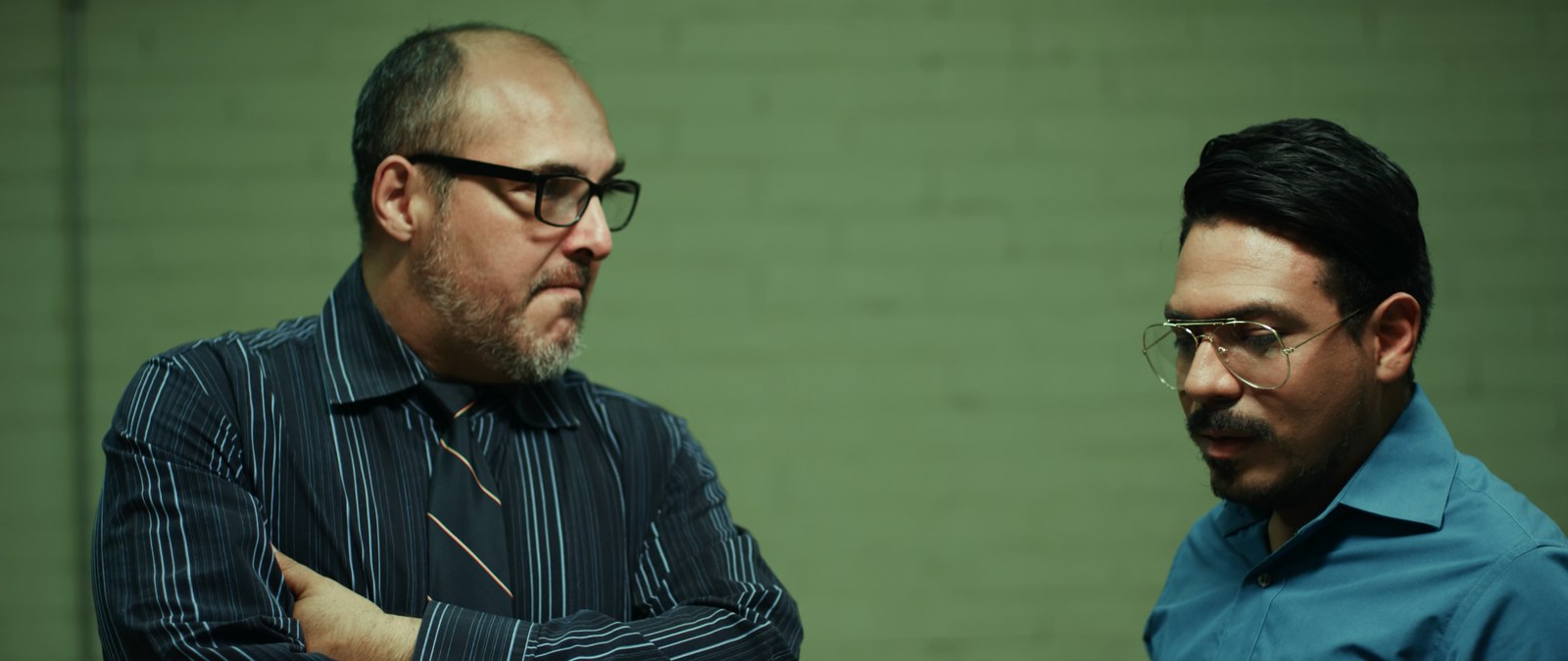
The security forces answered to the high command. General José Guillermo García was minister of defense from 1979 to 1983. General Carlos Eugenio Vides Casanova led the National Guard in those years, then succeeded García as minister in April 1983, two months before Mauricio was taken, and held the post until 1989. Both men later settled in Florida.
San Francisco
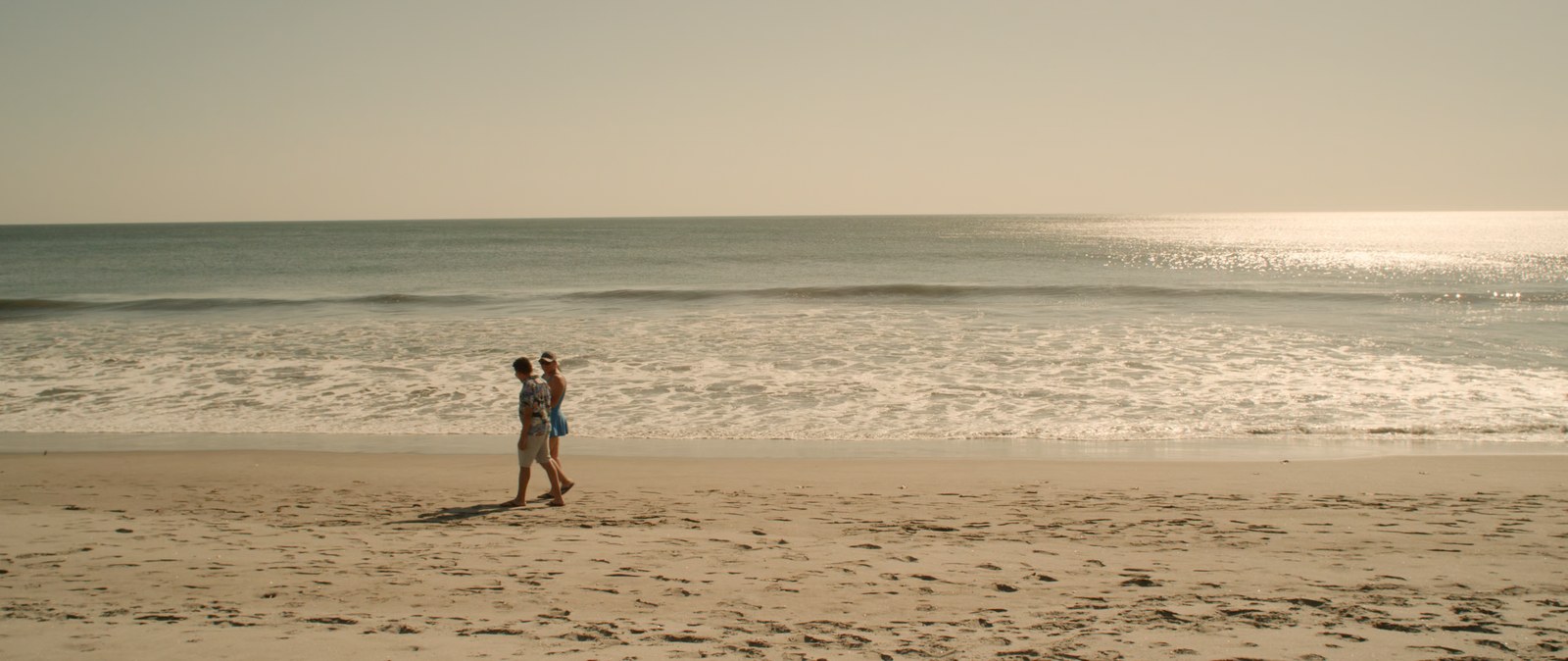
After his release Mauricio stayed at his father-in-law’s house until he had saved enough money to leave for Mexico. The film gives him one more meeting there with María, on a beach, where the talk turns to whether any of it was worth it. “The only thing I can say with certainty is that we’re not the same after all this.” A title follows: María died in combat after returning to El Salvador.
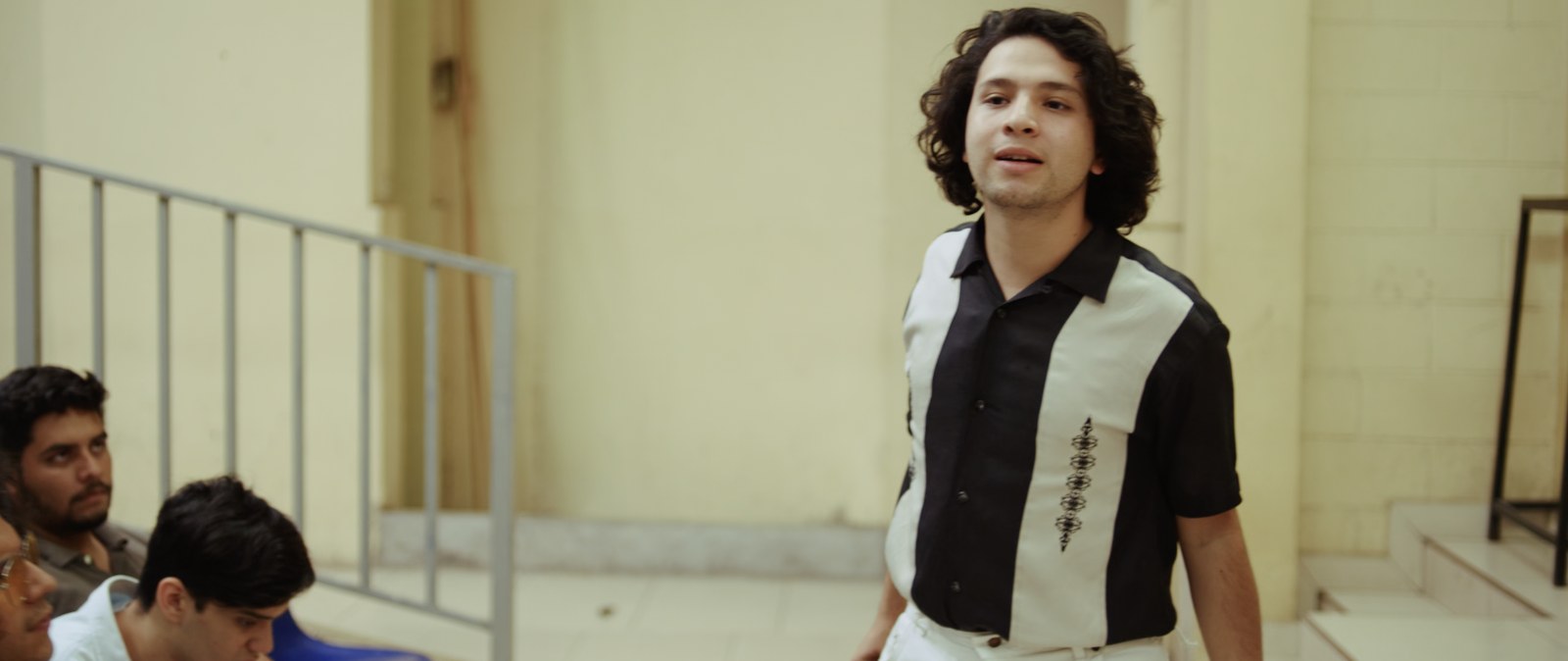
Later he reached California. His first job in the United States was washing dishes. He learned English, went back to school at San Francisco State University, where he earned two more master’s degrees, and became a biology teacher at Balboa High School.
The torture came with him. “With time, the trauma from the torture began to unravel,” he says. “I wanted to speak about what happened, but I couldn’t.” When he tried, the tears would not let him finish. What changed that was telling it anyway, until he could put together “a coherent story of everything that happened,” and the family he found in San Francisco. “And that’s where I stayed.”
West Palm Beach, July 2002
The Center for Justice & Accountability found him in San Francisco. In 1999 the center had gone to federal court in Florida for two other Salvadoran survivors, Dr. Juan Romagoza Arce and Neris González, against García and Vides Casanova, and it asked Mauricio whether he would join them. He did, in February 2000. The case rested on the doctrine of command responsibility: a commander answers for torture committed by his subordinates if he knew, or should have known, and did not act to prevent or punish it.
The trial ran four weeks in West Palm Beach. On July 23, 2002, a jury of ten found both generals liable and awarded the three plaintiffs $54.6 million, $14.6 million in compensation and $40 million in punitive damages. An appeals court upheld the verdict in January 2006. The United States deported Vides Casanova to El Salvador in April 2015 and García in January 2016. The film shows the first of those departures as Salvadoran television did: the general boarding the plane handcuffed and shackled, driven away on landing behind tinted glass, and voices shouting “Murderer!”
The money was never the point. “We didn’t do the trial for money,” Mauricio says. “We did this because we were after justice.” What helped him most to heal was to stand in a courtroom, look at the generals and tell them, “You’re responsible for what happened to me.” He calls it “really something wonderful.”
Against the amnesty
Mauricio has spent the years since telling the story, on campuses, to reporters and to community groups. He has campaigned against the amnesty that El Salvador’s legislature passed in March 1993, five days after the truth commission reported, and for a museum of memory in the former National Police headquarters where he was held. El Salvador’s Supreme Court struck the amnesty down in 2016. In 2024 he published a memoir in Spanish, En vías de investigación.
Once more, for the camera
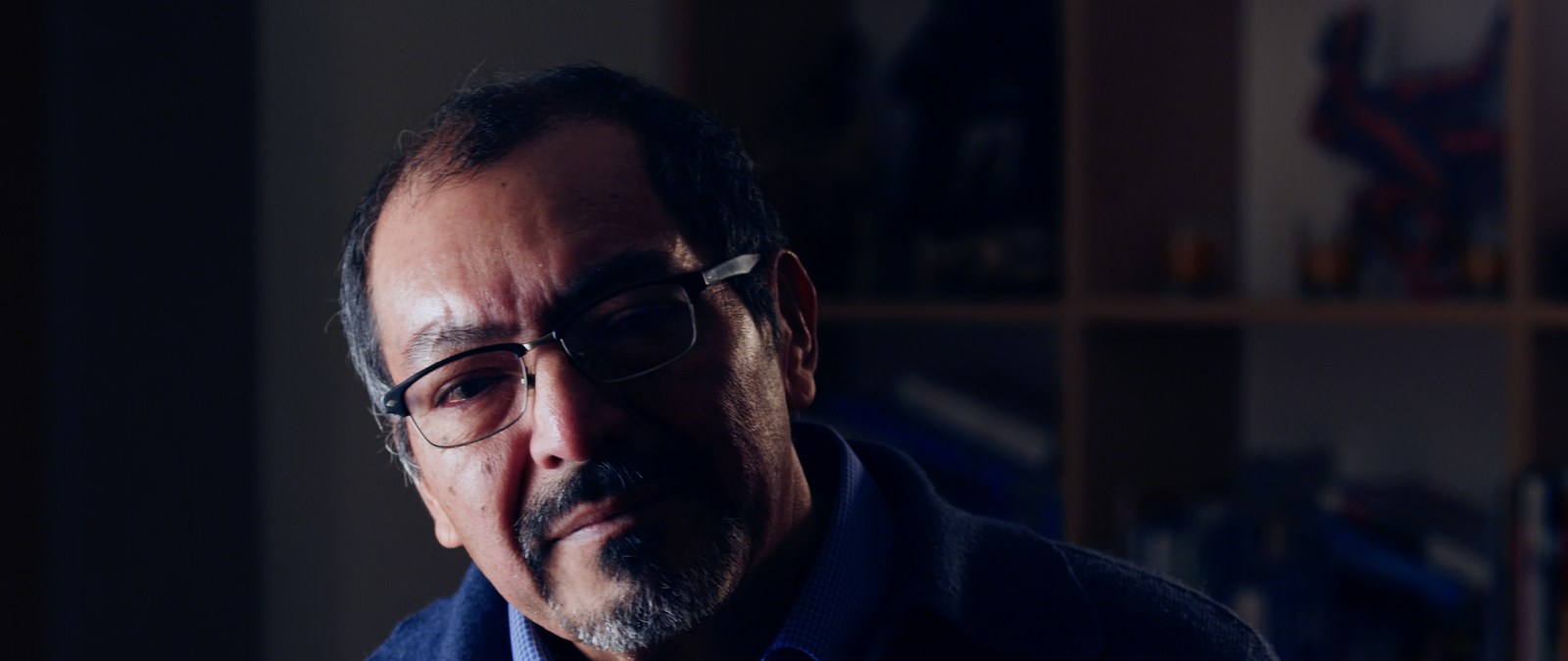
For The Path of the Shadows, Mauricio told the story again, on camera, in Washington, D.C. Producer Lawrence Justin Mills recorded the interview before a single scene was staged, and Baltazar López wrote and directed the dramatization around it, with Oscar Suncín as the professor.
When the film was finished, Mauricio watched it for the first time at Mills’s house. He wept through it, and afterward said it was true to what had happened to him.
The film ends on his voice. Of everyone who suffered in the war, perhaps only three, he says, “have found justice”: Juan Romagoza, Neris González and himself. His last words on screen: “And that’s important for a torture survivor.”
Fifty-eight minutes
Sources
- The Path of the ShadowsCarlos Mauricio’s testimony, on camera (in Spanish)
- Center for Justice & AccountabilityClient profile of Carlos Mauricio and the record of Romagoza Arce v. García
- San Antonio CurrentMauricio on his detention, November 17, 2005
- United NationsFrom Madness to Hope, report of the Commission on the Truth for El Salvador, March 1993, p. 43
- The Christian Science MonitorOn the human rights certification owed to Congress every six months, August 3, 1983
- Ronald Reagan Presidential LibraryRemarks of President Reagan and Provisional President Álvaro Magaña of El Salvador, June 17, 1983
- The Christian Science Monitor“Salvador university, closed by Army, opens after 4 years,” September 10, 1984
- WikipediaArce v. García, the appeal decision of January 2006
- WikipediaCarlos Mauricio